
Mold Remediation Tips
Top Signs of Mold in Point Pleasant: What Homeowners Should Watch For
Published 2026-09-08 · By Point Pleasant Mold Remediation
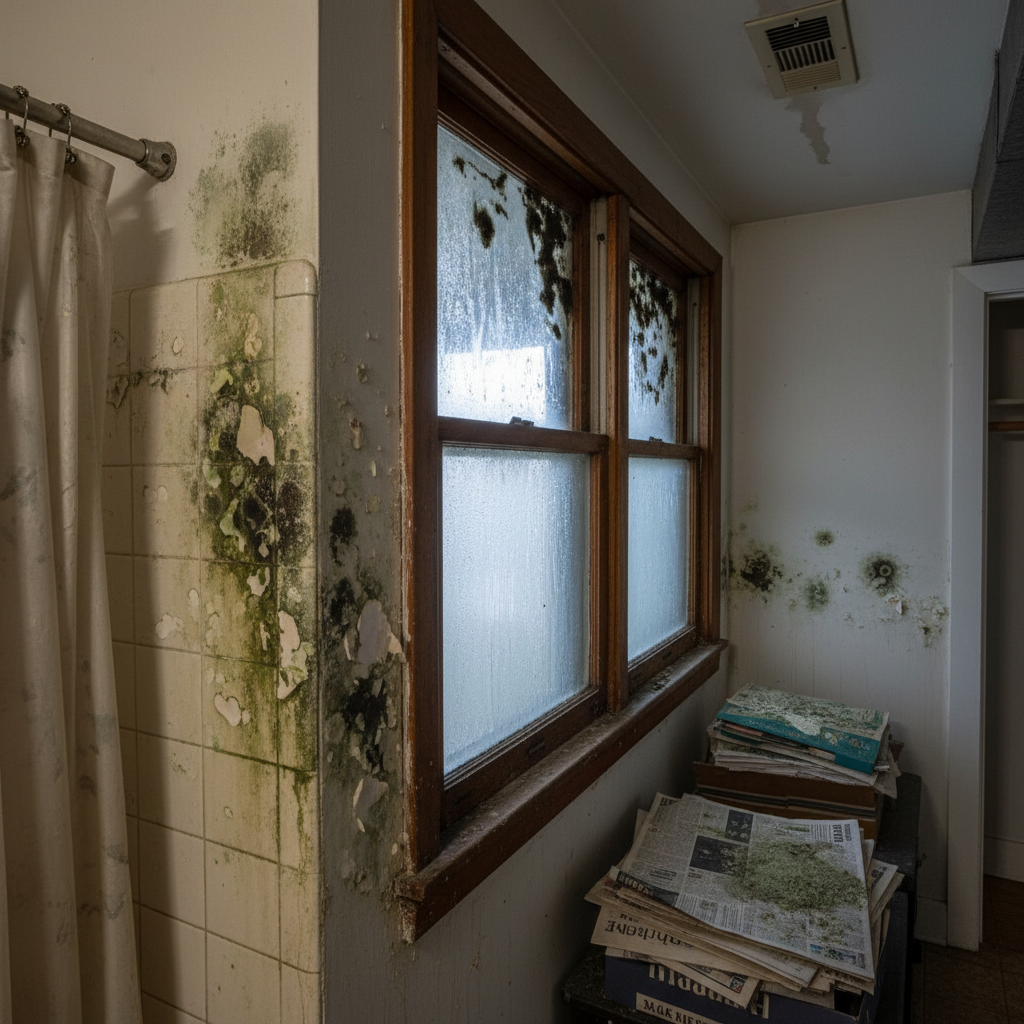
Mold is a common problem in many homes, especially in coastal areas like Point Pleasant, NJ, where humidity and moisture levels can be high. Understanding the early signs of mold growth can save homeowners from extensive damage, costly repairs, and potential health issues. In this blog, we will discuss the top signs you should watch for in your Point Pleasant home.
As a licensed and insured team specializing in mold remediation, we have seen firsthand how local conditions — from the Manasquan River to the Point Pleasant Canal — can affect the likelihood of mold growth in your home. With water intrusion from heavy rains or floods and the area's humid summer climate, knowing the warning signs can be crucial.
Common Signs of Mold Growth
- Musty Odors: One of the first signs of mold is a persistent musty smell. If you notice this smell, especially in areas such as your basement or around windows, it could indicate hidden mold growth.
- Visible Mold: If you see any *black, green, or white patches* on walls, ceilings, or floors, this is likely mold. Areas prone to moisture, such as bathrooms or kitchens, are particularly susceptible. Mold can thrive in these environments, especially after a flood or water damage.
- Moisture: Check for signs of excessive moisture, such as water stains on walls or ceilings. Given our climate, homes near the Riverfront or Bay Avenue might experience leaks or condensation, creating favorable conditions for mold.
- Warped Surfaces: Look for warped or bloated materials, such as wooden floors or drywall. This might indicate extended moisture exposure, increasing the chances of mold.
- Health Symptoms: If you or your family members experience unexplained respiratory issues, allergies, or skin irritations, mold could be a culprit. Individuals with pre-existing conditions or weakened immunity may be particularly affected.
Areas Prone to Mold in Point Pleasant
Certain neighborhoods, like Downtown Point Pleasant and Central Point Pleasant, feature older homes that might not have the modern waterproofing strategies necessary to handle the area's moisture levels. Areas close to the Point Pleasant Beach Boardwalk and Riverfront Park are also vulnerable due to their proximity to water sources. Homes here can experience unique challenges including age, terrain, and soil conditions that increase the risk of moisture accumulation.
- Basements: Due to flooding risks in Point Pleasant, basements often serve as a breeding ground for mold. Regular inspection and basement mold removal can mitigate these risks.
- Bathrooms: High humidity from showers and baths makes bathroom mold removal essential. Make sure to check under sinks and near toilets.
- Crawl Spaces: Damp conditions in crawl spaces can lead to serious mold issues. Our crawl space mold remediation services help address specific challenges in these areas.
What to Do When You Find Mold
Identifying mold is the first step, but it’s crucial to understand how to deal with it properly. If you suspect mold in your home, consider the following actions:
- Do Not Ignore It: Even small mold patches can grow rapidly, especially in our humid summers. Early detection and remediation can save homeowners many headaches down the line.
- Call Professionals: With local expertise in mold remediation, our team can effectively assess and address the situation based on your home's specific challenges and the conditions in regions like North Point Pleasant and South Point Pleasant.
- Invest in Mold Testing: If mold is suspected but not visible, professional mold testing can identify its type and extent, guiding effective remediation.
- Maintain Your Home: Regular inspections, especially in problematic areas, can prevent future mold growth. Ensure that drainage systems are functioning, and keep an eye on moisture levels, particularly after storms.
Keeping your Point Pleasant home safe from mold is both a proactive and reactive effort. By recognizing early signs, understanding local vulnerabilities, and acting swiftly, you not only protect your home but also safeguard your health.