
Mold Remediation Tips
How Coastal Climate Affects Mold Growth in Point Pleasant Homes
Published 2026-09-08 · By Point Pleasant Mold Remediation
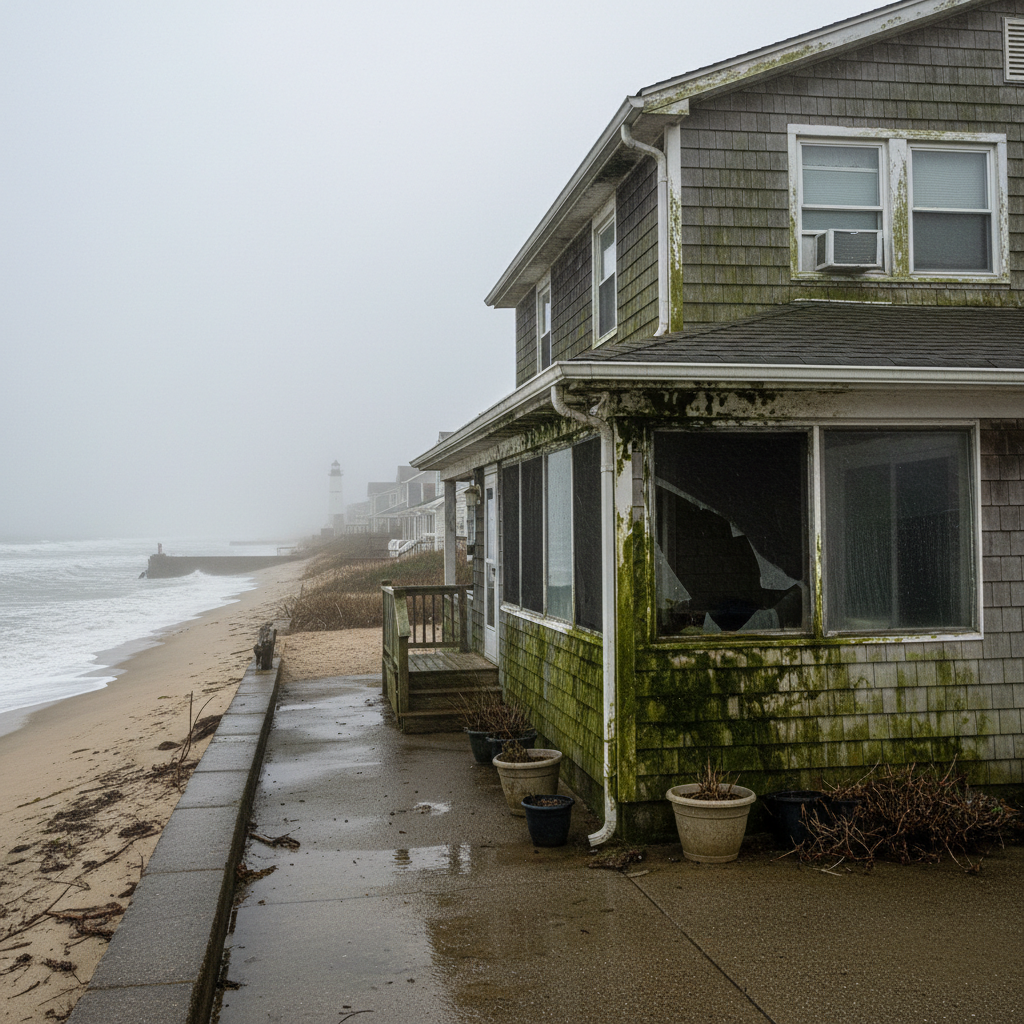
Point Pleasant, NJ, is known for its stunning waterfront views along the Manasquan River and its proximity to the Atlantic Ocean. However, the coastal climate comes with challenges, particularly the increased risk of mold growth in homes. Our team at Point Pleasant Mold Remediation is dedicated to helping homeowners understand these risks and offering effective solutions.
The key to addressing mold issues lies in understanding how the coastal climate impacts moisture levels in homes. With humid summers and cold winters, the area experiences precipitation year-round, fostering an environment conducive to mold growth. Properties in neighborhoods like Downtown Point Pleasant and Arnold Avenue are especially susceptible due to their age and proximity to water sources.
How Climate Conditions Encourage Mold Growth
Properties along the Point Pleasant Canal and within neighborhoods adjacent to the Manasquan River face unique moisture-related challenges. Here are several climatic factors that contribute to mold growth in Point Pleasant homes: 1. Elevated Humidity: Summer humidity levels can often exceed 80%, creating an ideal breeding ground for mold spores. 2. Frequent Rainfall: Heavy rains, common in this coastal region, can lead to basement flooding or leaks, leading to persistent moisture issues. 3. Storm-Related Water Intrusion: Coastal storms can cause severe water intrusion, leaving homes vulnerable to mold if not promptly addressed. When water damage occurs, it is crucial to act quickly with professional Mold Remediation services to prevent further mold proliferation.
In homes built near the Point Pleasant Waterfront, older structures tend to have less effective moisture barriers and ventilation systems. These properties are often the first to experience serious mold issues, especially following water damage from storms or routine household leaks. Ensuring timely Mold Removal is essential for maintaining a safe living environment.
Identifying Mold Growth in Your Home
Recognizing visible mold can be challenging, as it often hides in places homeowners are not inclined to check, such as attics or crawl spaces. Here are a few signs to look for: - Musty Odors: A persistent, stale smell may indicate mold presence. - Water Stains: Darkened spots or streaks on walls or ceilings often signal moisture-related issues. - Visible Mold: Black, green, or white mold patches may be found in damp areas like bathrooms or near windows. If you suspect mold, consider a thorough Mold Inspection to confirm and assess the extent of the problem. Early detection is critical in mitigating mold-related health risks.
Taking Action Against Mold Growth
Once mold is detected, it's imperative to act quickly. Our licensed and insured team specializes in comprehensive Black Mold Remediation and offers tailored services that address the specific mold issues in Point Pleasant homes. Essential steps include: 1. Containment: Preventing the spread of mold spores to unaffected areas. 2. Removal: Safely eliminating mold from structures and materials while minimizing exposure risks. 3. Moisture Control: Implementing solutions to ensure long-term moisture control to prevent future mold growth. Even after mold has been removed, we recommend regular Mold Testing to provide peace of mind and ensure that mold levels remain safe.
By understanding the effects of our coastal climate on mold growth in Point Pleasant, homeowners can take proactive steps to safeguard their properties. Regular inspections and timely remediation efforts are vital in preserving the integrity of homes in our beautiful community. If you need assistance, don’t hesitate to reach out to us at Point Pleasant Mold Remediation.