
Mold Remediation Tips
Preventing Mold After Water Damage: Essential Steps for Point Pleasant Residents
Published 2026-09-08 · By Point Pleasant Mold Remediation
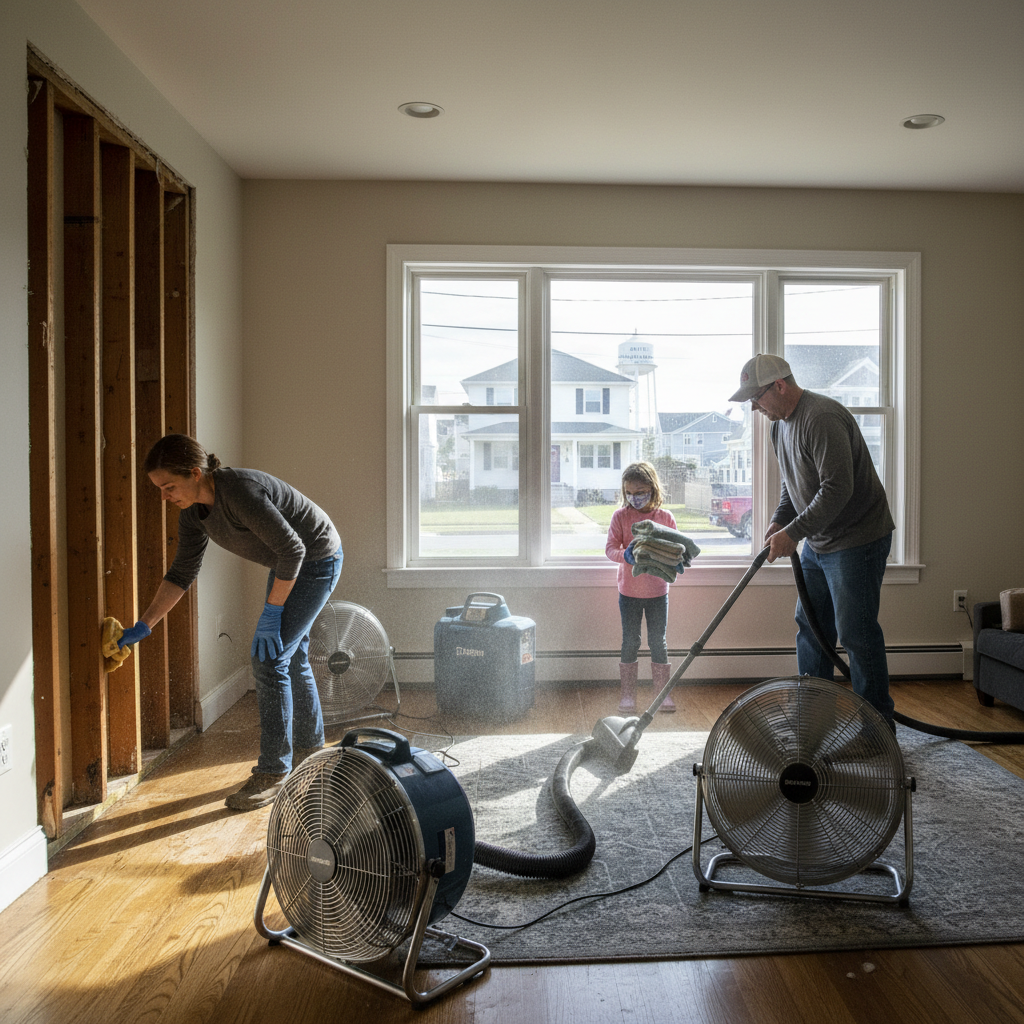
In the beautiful coastal town of Point Pleasant, NJ, properties are often at risk of water damage due to our humid summers and precipitation throughout the year. Events like heavy rain, flooding, and storm-related water intrusion can leave homes vulnerable to mold growth. Our team specializes in mold remediation, ensuring that local residents can protect their homes from this potentially hazardous issue.
As a licensed and insured company, we are aware that the unique climate and geography of Ocean County, especially areas like Downtown Point Pleasant and the neighborhoods along the Manasquan River, create specific mold concerns. Thankfully, there are steps you can take to prevent mold growth after water damage.
Immediate Response to Water Damage
When water damage occurs, your first priority should be to address the source of moisture. Here are critical actions to consider: 1. Stop the source: If it's a leak, shut off the water supply immediately. 2. Remove standing water: Use pumps or wet/dry vacuums to clear out water from affected areas, especially basements and crawl spaces. 3. Dry thoroughly: Use fans and dehumidifiers to dry out areas affected by water. The quicker the drying process, the better chance you have to prevent mold growth that thrives in humidity levels above 60%.
It's important to remember that structural elements such as wood beams, drywall, and flooring can absorb moisture, creating a suitable environment for mold. Areas like Riverfront Park and Bay Avenue often receive a lot of rainfall, making it crucial for homeowners to stay vigilant.
Identify and Inspect for Mold
After addressing the water intrusion, it’s essential to conduct a thorough mold inspection. Here are steps you can take: - Check for signs: Look for visible signs of mold, such as discoloration on walls, ceilings, or baseboards. Pay special attention to bathrooms and kitchens where moisture is prevalent. - Hidden areas: Check behind wallpaper, under carpets, and within walls using a moisture meter, as mold can often hide in these areas. Utilizing a professional mold inspection can help you accurately identify problem areas.
Having a mold testing service can help you understand the type and amount of mold present in your home. Given Point Pleasant's unique climate, it’s important to plan for a complete assessment following water damage.
Long-term Prevention Strategies
To ensure your home remains mold-free in the long run, involve yourself in preventative maintenance. Here are some effective strategies: - Maintain proper ventilation: Ensure that your home has adequate airflow, particularly in high-moisture areas like bathrooms and kitchens. Exhaust fans should be used routinely to control humidity levels. - Seal leaky areas: Inspect areas prone to leaks, like windows and roofs. Use proper sealants to avoid future water intrusion. - Use mold-resistant products: When undertaking renovations or repairs, consider using mold-resistant drywall and paint, particularly in moisture-prone areas. - Routine inspections: Regularly inspect your home, especially in the aftermath of severe weather events typical to homes near the coastline. Areas like Arnold Avenue and Point Pleasant Beach Boardwalk are often affected by storms, making consistent vigilance key.
In conclusion, preventing mold after water damage in Point Pleasant requires prompt action, thorough inspection, and ongoing maintenance. Our team stands ready to assist with our expert mold remediation services. Ensure your home remains a safe haven, especially for those in the beautiful neighborhoods surrounding the Manasquan River.